

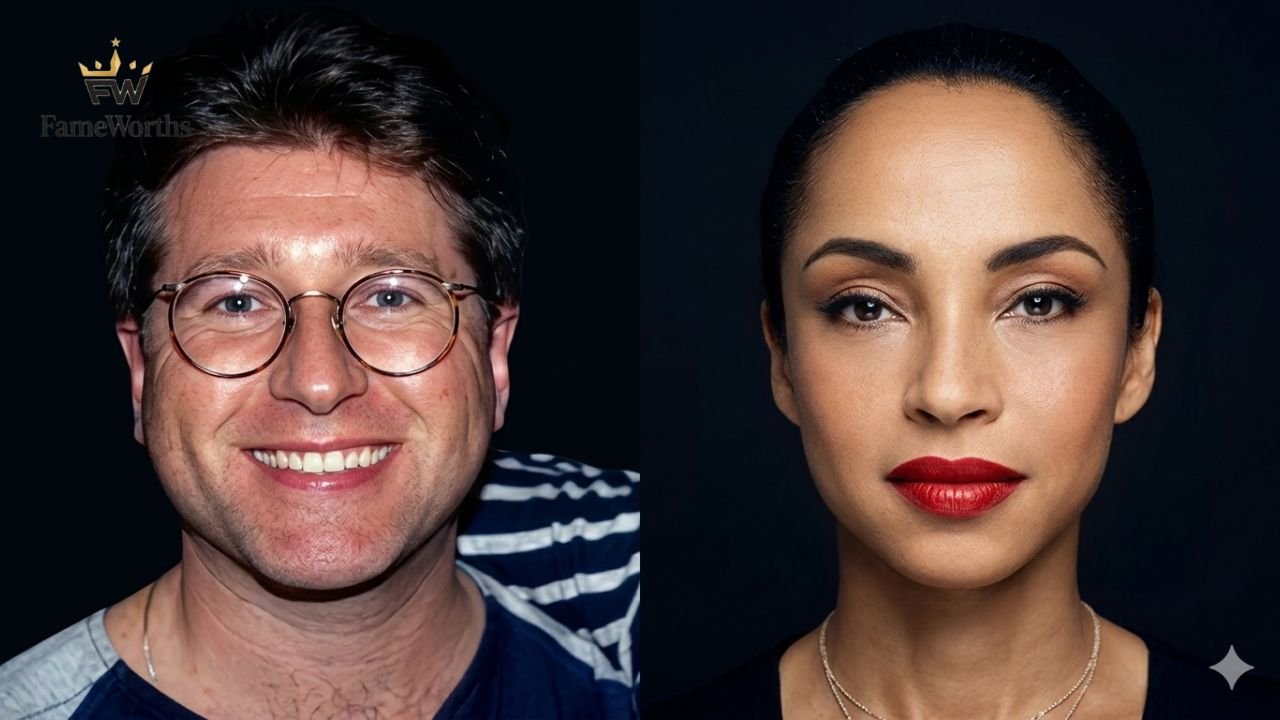
Carlos Scola Pliego is one of those few at whom it seems visible and at the same time invisible. His story is much more than a mere celebrity relationship as he is known due to his association with world music icon Sade Adu. Carlos Scola Pliego is the story of a life that refuses noise and accepts meaning, of a life that shuns the noise of Spain, of the noise of cinema, of a life that shuns the noise of a marriage, of the noise of separation, and of a life that shuns noise. In a world of information, his story is quiet, intriguing and compelling, making him a source of speculation decades on.
1. Quick Facts About Carlos Scola Pliego
| Detail | Information |
| Full Name | Carlos Scola Pliego |
| Profession | Filmmaker, Assistant Director |
| Nationality | Spanish |
| Known For | Film work and marriage to Sade Adu |
| Marriage Year | 1989 |
| Divorce Year | 1995 |
| Children | None |
| Industry | Film and Television |
| Active Years | 1980s–early 2000s |
| Current Status | Private life |
2. Carlos Scola Pliego’s Early Years
Carlos Scola was born in Spain, the country of strong traditions of art and film. Although no information regarding his date of birth and childhood is known, the fact that there is no information at all can be considered the characteristic feature of his life-privacy.
His upbringing in Spain must have given him an exposure to the rich storytelling traditions, visual arts and European cinema. His creative instincts could have been largely influenced by Spanish filmmaking, which has been characterized by its emotive portrayal and realism. Unlike many celebrities, Carlos Scola Pliego has never revealed personal achievements, schooling or career aspirations, which remains an intriguing enigma to this day.

3. Family History: An Entirely Secret Foundation.
There is no reliable information about the parents of Carlos. We don’t know their names, occupations or anything about them.
This is also a very high degree of privacy and this is what is very unlikely to occur to someone associated with a celebrity who is known all over the world. It indicates that Carlos Scola Pliego deliberately avoided the exposure of his family to the society, safeguarding them against the media coverage even at the height of his fame.
4. Family and Siblings.
Just like his parents, there are no official records of siblings or any other extended family of Carlos Scola Pliego.
This lack of family information on record shows a steady trend in his life- keeping personal and professional lives separate. It also supports the notion of his life not being lived in the spotlight, even though many times he found himself in it.
5. Career Path: Making a Name for Himself behind the Camera
Carlos Scola Pliego has established himself gradually in the film industry initially in technical and supporting jobs. His career is a testament to more of a mastery of the art than a quest for fame.
He was mainly an assistant director, requiring both artistic and technical skills. He eventually participated in several film productions throughout Europe, learning the skills of filmmaking, design and direction.
Carlos Scola Pliego did not want to be in front of the camera as most other professionals in the entertainment field. This enabled him to concentrate on the art of filmmaking without fame or pressure by the people.
6. His Work in Film and Cinema
| Aspect | Details |
| Industry | European Cinema |
| Role | Assistant Director, Filmmaker |
| Style | Realistic and story-driven |
| Preference | Behind-the-scenes work |
| Recognition | Limited public exposure |
Carlos Scola Pliego contributed to multiple productions, although many of his works remain undocumented in mainstream media. His involvement in cinema was more about creative contribution than public acknowledgment.
7. Philosophical and artistic approach and style.
Carlos Scola Pliego was a subtle and thinker who approached the filmmaking process. His films were more about being realistic, emotional, and dramatic, rather than commercial.
He was a believer in letting the stories to unfold without striking dramatics. This ideology was very much in line with the European tradition of cinema, in which the narrative richness is frequently put above the visual overkill.
His method is also reflective of the artistic mind of Sade Adu, who has a richly emotional and minimalistic style of music.
8. A friendship with Sade Adu: A landmark moment
Who Is Sade Adu?
Sade Adu is a world renowned artist who has been able to fuse soul, jazz and pop into one of the classic musical experiences of all time. She made it to the top of the charts in the 1980s and emerged among the most unique voices in the history of music.
9. Love Story: Carlos Scola Pliego and Sade Adu.
In Spain, Sade Adu was introduced to Carlos Scola Pliego in the 1980s, allegedly in film related work relating to music projects. Their friendship started as a work relationship, but blossomed into a romantic association.
They shared artistic sensibilities, understanding and enjoyed privacy. Their relationship was not as in the limelight as most celebrity relationships.
10. Marriage and Shared Life
| Aspect | Details |
| Marriage Year | 1989 |
| Location | Spain |
| Lifestyle | Private and artistic |
| Public Appearances | Rare |
Carlos Scola Pliego and Sade Adu got married in 1989 and chose to live a quiet life in Spain. Their marriage reflected simplicity, creativity, and emotional balance rather than public glamour.
Their shared environment allowed both individuals to focus on their respective crafts without distractions.
11. Art and Influence of Emotions.
It’s believed Carlos Scola Pliego had a profound emotional impact on Sade Adu’s music while they were together.
Such themes as love, self-observation, distance, and emotional richness took center stage in her work at that period of time. Although she never explicitly stated these influences, the link between her personal experiences and her music is well recognised.
12. Divorce and Separation
In 1995, Carlos Scola Pliego and Sade Adu parted ways and divorced.
Their reasons as to why they broke up remained confidential. Neither of them felt the need to answer any questions, preferring to retain their dignity and respect. This judgment added to the mystery which enveloped Carlos Scola Pliego.
13. Family Life and Children.
Carlos Scola Pliego and Sade Adu were childless.
This side of their relationship is simple and no further information or problems have been leaked to the outside.
14. Life and Personality.
Carlos Scola Pliego is known to be a shy, kind and creative person.
He has never sought the media, interviews and social sites. He even kept a low profile even when he was married to a worldwide icon, which is a lot about his character.
15. Personality Traits
| Trait | Description |
| Private | Avoids public attention |
| Creative | Deeply involved in storytelling |
| Calm | Maintains a low-key lifestyle |
| Independent | Focuses on personal values |
| Mysterious | Limited public information |
These traits make Carlos Scola Pliego a rare figure in the entertainment world.
16. Life After Divorce: Vanished off the Screen.
Following his divorce in 1995, Carlos Scola Pliego slowly retired out of the limelight.
Although he might have remained in the film industry, there is hardly any documentation of his subsequent career. His absence of the limelight has added more questions to what he is doing in life.
17. Net Worth and Financial Status
| Category | Estimate |
| Income Source | Film industry |
| Net Worth | Not officially confirmed |
| Financial Stability | Likely stable |
Carlos Scola Pliego likely achieved financial stability through his work in cinema. However, exact figures remain unknown due to his private lifestyle.
18. Image in Society and Continuous Curiosity.
Carlos Scola Pliego remains an object of interest due to a number of reasons:
- His association with a music world legend.
- The fact that he prefers to live his life away from the public eye
- The enigmas of his personal and professional life
This mixture of his name continues to be relevant several years after his visibility went down.
19. Legacy: A life of Privacy.
Carlos Scola Pliego’s legacy is one of choice.
He is another incarnation of success, one who prefers peace and creativity and respecting individual limits rather than fame. His experiences in life refute the contemporary notion that visibility is important.
20. Conclusion
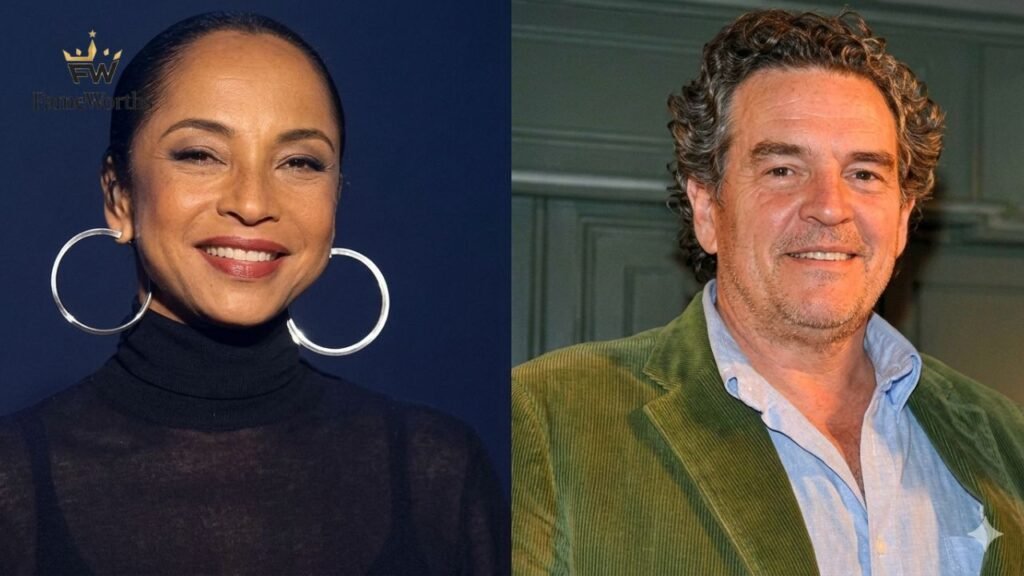
Carlos Scola Pliego is far more than just the former husband of Sade Adu. He is a filmmaker, a creative mind, and a person who chose privacy over publicity.
His story is powerful because it is quiet. In a world driven by attention, Carlos Scola Pliego stands as a reminder that meaningful lives do not always need an audience.
FAQs
1. Who is Carlos Scola Pliego?
Carlos Scola Pliego is a Spanish filmmaker and assistant director known for his work in cinema and his marriage to Sade Adu.
2. Why is Carlos Scola Pliego famous?
He is widely known due to his relationship and marriage with Sade Adu, along with his work in the film industry.
3. When did Carlos Scola Pliego marry Sade Adu?
Carlos Scola Pliego married Sade Adu in 1989.
4. Did Carlos Scola Pliego have children?
No, Carlos Scola Pliego did not have children with Sade Adu.
5. What does Carlos Scola Pliego do?
He worked as a filmmaker and assistant director in European cinema.
6. Where is Carlos Scola Pliego now?
He is believed to be living a private life away from public attention.
7. What is Carlos Scola Pliego’s nationality?
Carlos Scola Pliego is Spanish.
8. Is Carlos Scola Pliego still active in films?
There is no confirmed recent information about his current professional activities.

Welcome to Fame Worths! I’m Saim Ansari, a professional SEO specialist with over 4+ years of experience helping websites grow through strategic optimization and high-quality content. I specialize in on-page SEO, keyword research, and content optimization, crafting strategies that improve visibility, boost organic traffic, and deliver measurable results. My goal is to help websites not only rank higher but also provide meaningful value to their audience, building a strong and sustainable online presence.